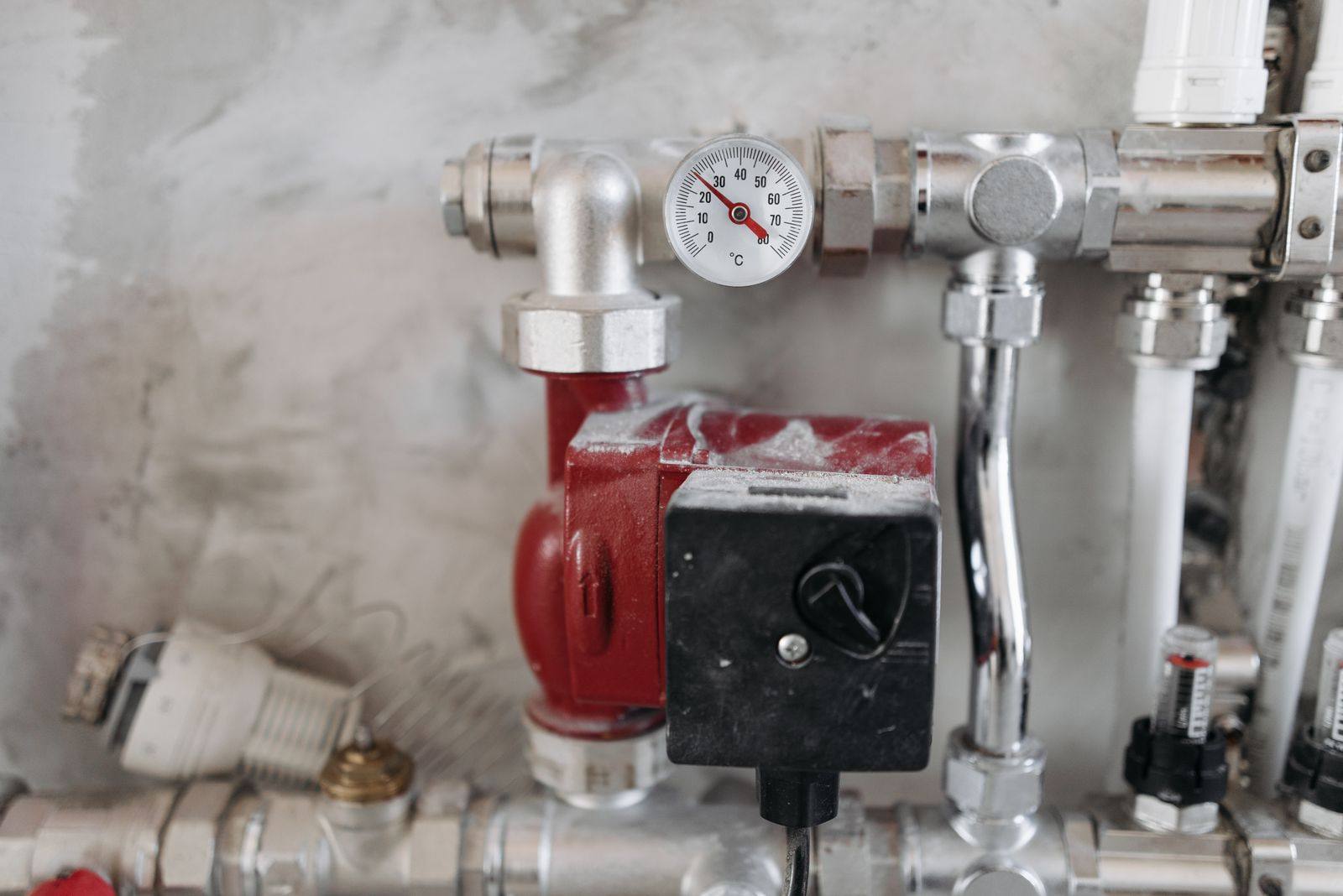
Well water and your water heater
Many homes outside the boroughs in this county draw their water from a private well, and well water behaves differently from town water in ways that matter for a water heater. It often carries more sediment — fine sand and silt — and more dissolved minerals, and it can carry iron that stains fixtures and leaves a metallic taste. None of that makes well water bad. It does mean the heater needs a little more attention than one on town water.
Sediment is the main problem
Sediment settles at the bottom of a tank heater, where it insulates the water from the burner or element, makes the heater work harder, and shortens its life. On a well, sediment arrives faster, and a heater that is never flushed will show it sooner: popping noises, hot water running out early, and eventually a leak. Annual flushing matters more on a well than on town water, and a sediment filter on the incoming line is often part of the longer-term answer.
Iron and minerals
Iron in well water stains fixtures and can leave deposits inside the heater and the pipes. Dissolved minerals wear the anode rod — the sacrificial rod that protects the tank from rust — faster than in soft-water areas. A maintenance visit on a well-water home includes checking the rod and the sediment level, not just the burner and thermostat.
Tankless on a well
A tankless unit on well water needs descaling on schedule, and it needs it more often than the same unit on town water, because scale builds up on the heat exchanger faster. A pre-filter and a regular descale are what keep a tankless unit alive on a well.
What to ask a provider
Tell the provider the home is on a well, and roughly how old the well system is. Ask whether a sediment filter makes sense, how often the heater should be flushed, and whether the anode rod needs checking more often than once a year. The maintenance page explains what a tune-up covers.
Frequently Asked Questions
Does well water damage water heaters?
It does not damage them outright, but sediment and minerals wear them faster. Regular flushing and anode-rod checks are what close the gap.
My hot water smells metallic. Is that the well?
Often, yes — iron in well water is a common cause. A provider can check whether the smell comes from the heater, the well water itself, or the anode rod.
Should I install a filter before the heater?
A sediment filter on the incoming line helps many well-water homes. A provider who has seen your water and your heater can say whether it is worth it for you.